
Now that most families are a couple of weeks into the summer holidays, the novelty has often started to wear off and a subtle shift can creep into the household atmosphere. The lazy mornings and flexible bedtimes of late July are still here, but for some children the thought of September is already beginning to bubble away in the background. For many children, this transition brings an invisible weight.
In my work as a child therapist and author at the Mill Hill Therapy Hub on Sunbury Avenue, I often hear from parents during these late summer weeks. They tell me their child's behaviour has started to change: meltdowns are suddenly more frequent, sleep is disrupted or stomach aches are appearing out of nowhere. If your child seems more anxious as the new term looms, please know you are far from alone.
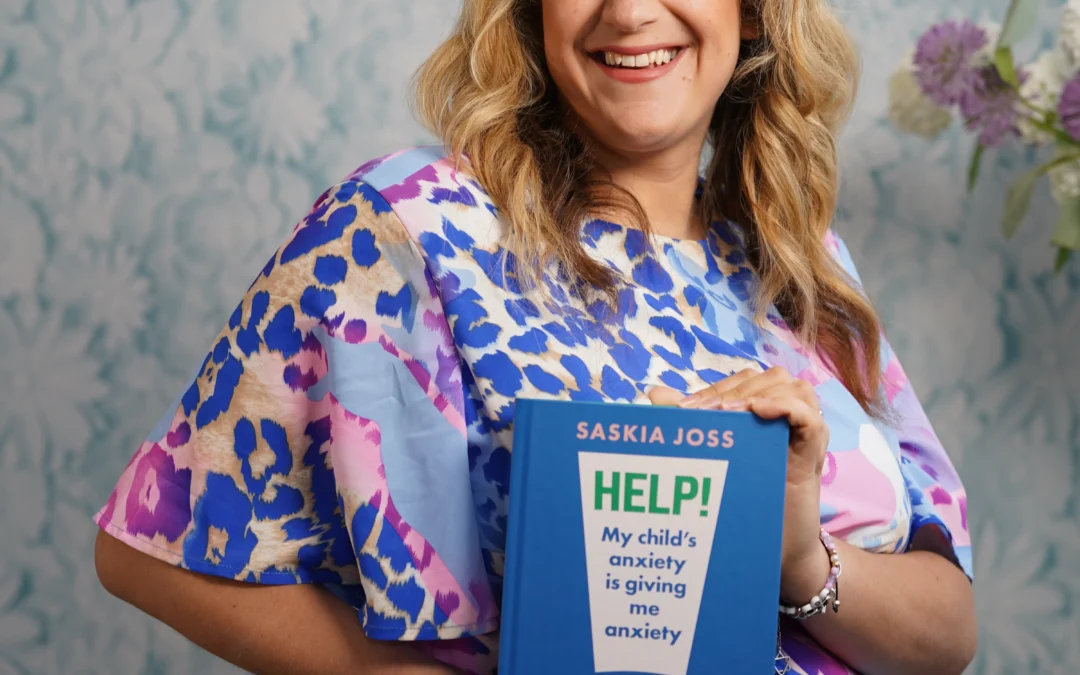
When writing my book Help! My Child's Anxiety is Giving Me Anxiety, my goal was to remind parents that anxiety during transitional periods is a very normal human response to uncertainty. However, we do not have to simply wait and hope for the best. By taking intentional steps right now, we can help our children step into September feeling grounded and prepared.
Here are seven practical ways to ease the end-of-summer transition and support your child's mental health.
1. Gradually Reset Daily Routines Before September
One of the biggest shocks for an anxious child's nervous system is the abrupt jump from unstructured summer days to rigid school-year timetables. Moving from waking up at 9:00 AM to rushing out the door by 7:30 AM overnight can spike anyone's stress levels.
Instead of waiting for the first week of term, start winding back routines in small increments during the final weeks of August. Move bedtime and wake-up times fifteen minutes earlier every few days. Re-establish regular meal times and begin reintroducing morning practice routines: such as getting dressed and having breakfast without rushing. Gentle, predictable routines give anxious brains a comforting anchor.

2. Talk Openly About Worries and Normalise Big Feelings
Children often bottle up their school-related fears because they worry about burdening us or because they cannot quite put their finger on what is bothering them.
Create calm moments to invite conversation without forcing it. You might ask open-ended questions like "What are you most looking forward to about school?" followed gently by "And is there anything that feels a bit tricky or worrying right now?" When your child shares a fear, validate it immediately rather than dismissing it with a quick "There's nothing to worry about." Saying something like "That makes complete sense that you feel nervous about a new classroom" helps your child feel seen and understood.
3. Preview the Environment to Reduce Fear of the Unknown
Anxiety thrives in the space of the unknown. Wondering who the teacher will be, where the toilets are or what the playground looks like can keep an anxious mind racing all week.
Whenever possible, visit the school grounds before term starts. Walk the route together, look at the classroom windows from the outside or attend any available open days. If physical visits aren't possible, look at school photographs online, review the staff bios together or watch a virtual tour. Familiarising your child with their environment turns a scary mystery into a known space.

4. Plan Fun End-of-Summer Outings and Social Connections
It is very easy for August to become entirely overshadowed by school preparation talk, which can make children feel as though summer fun is vanishing before their eyes.
Balance the practical preparations with joyful activities. Arrange a playdate or park meetup with a classmate before the first day so familiar faces are waiting on day one. Plan a special family day out or a final summer treat during the last week of August. Remind your child that while routines are changing, life still holds plenty of joy and connection.
5. Teach Simple Somatic Coping Tools
When anxiety flares up, it often shows up physically first: a tight tummy, shallow breathing or racing heartbeat. Giving children tangible tools they can use independently helps them regain a sense of control.
Practise deep breathing exercises together while you are calm. You can try box breathing (in for four, hold for four, out for four, pause for four) or simple grounding techniques like the 5-4-3-2-1 method, where your child names things they can see, touch, hear, smell and taste. Having a transitional object in their pocket: such as a smooth pebble or a small note from home: can also provide quiet reassurance during the school day.
6. Involve Your Child in Practical Preparation
Giving children choices and responsibilities gives them back their agency. Let your child help pick out their school bag, choose their pencil case or select their snack containers.
Involve them in packing their bag the evening before so they know exactly what is inside. When children participate actively in preparation rather than having things done to them, they transition from feeling helpless to feeling capable and equipped.

7. Model Calm Behaviour and Know When to Seek Support
Children are master observers; they absorb our unspoken stress just as easily as our spoken words. If we approach September with dread or panic, our children will mirror that energy. While it is completely normal to feel overwhelmed by the September juggle, try to model a calm and curious attitude towards the new term.
Remember that you do not have to navigate these transitions entirely on your own. If your child's anxiety persists for more than a few weeks, severely disrupts sleep or appetite or leads to intense school avoidance, extra professional guidance can make all the difference.
At the Mill Hill Therapy Hub on Sunbury Avenue, I work closely with children and families to untangle these worries. If you are a parent feeling overwhelmed and looking for guidance, I also offer dedicated parenting support phone calls to help you manage your own stress and build effective strategies at home.
If you would like some support with this transition, you can book a convenient consultation directly through my Calendly booking page.
Ready to talk things through? Book here: www.calendly.com/saskiajosstherapy/30min
Let's make this transition a smoother journey for your family.